

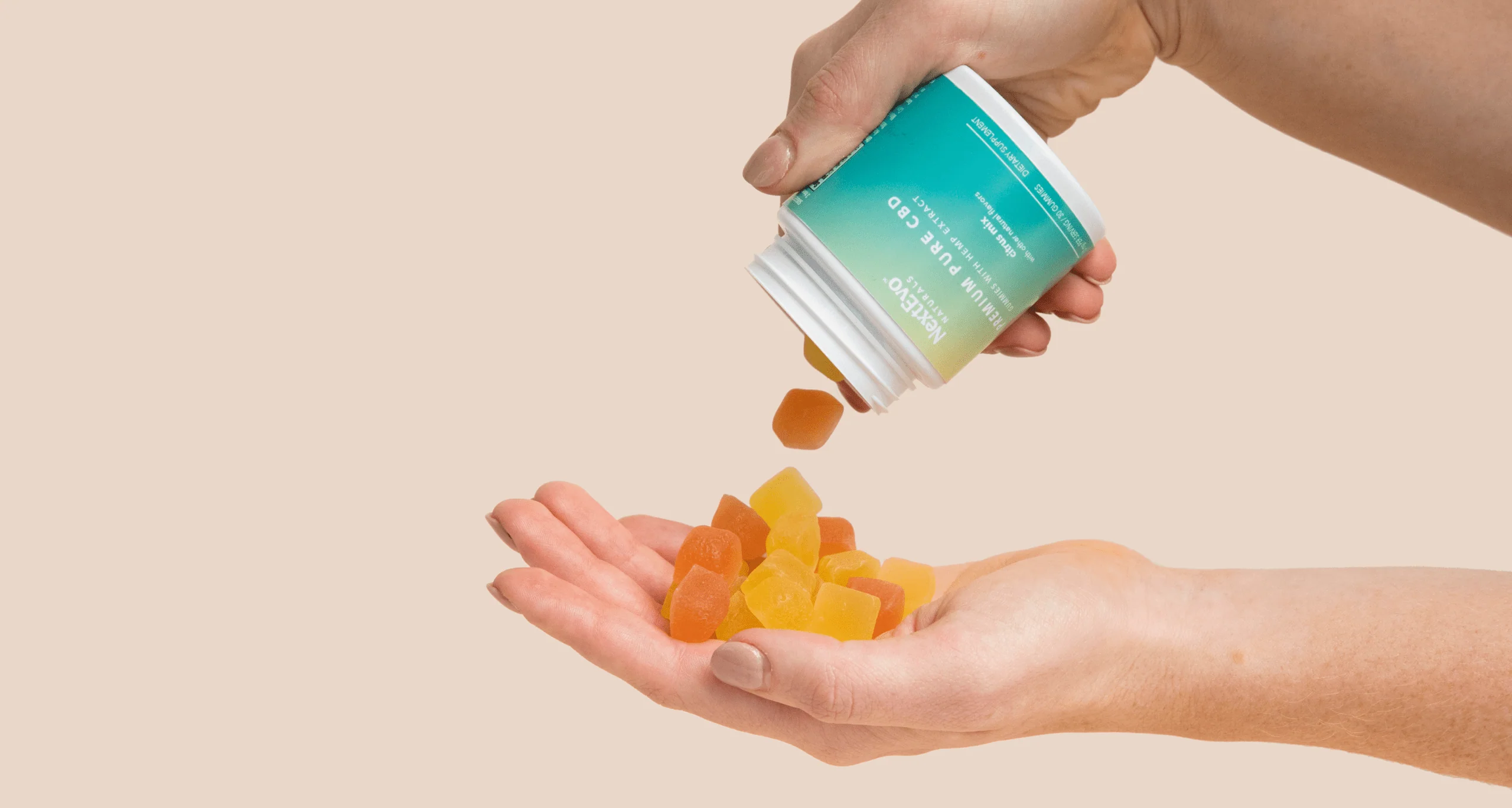
Mushroom gummies have emerged as a novel and intriguing product in the wellness market, capturing the attention of consumers interested in exploring alternative health supplements. These gummies typically contain functional mushrooms such as lion’s mane, reishi, or chaga, known for their potential health benefits ranging from cognitive enhancement to immune support. However, recent developments have seen some mushroom gummies incorporating psilocybin — the psychoactive compound found in certain types of mushrooms — raising questions about their legal status.
In Oregon, a state renowned for its progressive stance on drug policy reform, the legal landscape surrounding mushroom gummies has been evolving rapidly. In November 2020, Oregon voters passed Measure 109, making it the first state to legalize psilocybin therapy under regulated circumstances. This groundbreaking measure allows licensed professionals to administer psilocybin for therapeutic purposes in controlled environments. Consequently, this has opened up discussions about how products containing psilocybin might be integrated into consumer markets.
Despite this legislative progress regarding therapeutic use, it is essential to note that personal possession and unsupervised use of psilocybin remain illegal outside these structured settings. As such, any mushroom gummies containing psilocybin are not legally available for recreational purchase or consumption by Oregon residents unless they are part of an approved therapeutic program.
The distinction between functional mushroom products and those containing psychedelic compounds is crucial here. Functional mushrooms like lion’s mane or reishi do not contain psychoactive substances and are legally sold https://dailyemerald.com/190351/promotedposts/are-mushroom-gummies-legal-in-oregon-2026-laws-explained/ across various platforms without restriction due to their non-psychoactive nature and recognized health benefits. These can be found easily in wellness stores throughout Oregon and online marketplaces catering to health-conscious consumers.
However, entrepreneurs looking to capitalize on the burgeoning interest in psychedelic experiences face stringent regulatory hurdles when attempting to introduce products with psychoactive components like psilocybin into wider consumer channels. The current framework established by Measure 109 focuses heavily on safety protocols and professional oversight rather than retail distribution.
For residents curious about integrating mushroom-based supplements into their routines legally within Oregon’s existing framework, focusing on non-psychoactive varieties remains a viable option while staying informed about ongoing regulatory changes concerning psychedelics is advisable. Advocacy groups continue pushing for broader access beyond clinical settings which could potentially influence future legislation allowing more freedom around these innovative substances.
In conclusion, while functional mushroom gummies enjoy widespread legality due to their lack of psychoactive ingredients and perceived health benefits; those infused with psilocybin remain tightly regulated under specific therapeutic contexts following Measure 109’s implementation in Oregon. Residents should exercise caution ensuring compliance with local laws when considering incorporating any form of mushroom supplement into their lifestyle while keeping abreast with potential shifts towards greater accessibility driven by ongoing advocacy efforts statewide.