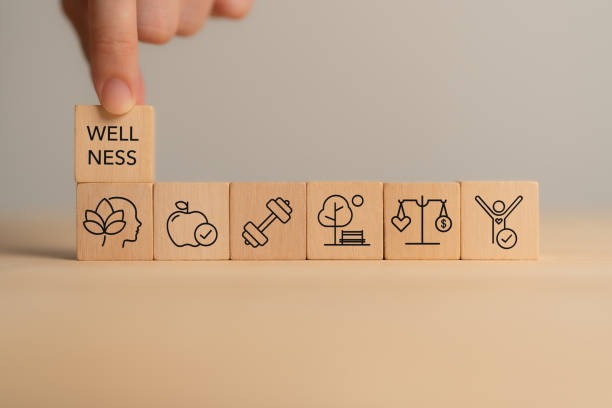


Establishing a sustainable routine for mental wellness requires intentionality and consistency. Mental health is influenced by daily habits, environmental factors, and personal interactions, so creating a balanced routine that supports emotional and cognitive well-being is essential. A sustainable approach means designing practices that are realistic, adaptable, and integrated into everyday life rather than temporary or extreme measures that are difficult to maintain.
The foundation of a mental wellness routine often begins with regular sleep patterns. Quality sleep regulates mood, enhances concentration, and reduces stress. Prioritizing consistent bedtimes and wake times helps the body’s internal clock function properly. Alongside sleep, physical activity plays a significant role in mental health. Exercise triggers the release of endorphins and other neurotransmitters that improve mood and reduce anxiety. Importantly, the chosen form of exercise should be enjoyable and manageable to ensure long-term adherence rather than sporadic bursts of intense activity.
Nutrition also impacts mental wellness by influencing brain chemistry and energy levels. A diet rich in whole foods, including fruits, vegetables, lean proteins, and healthy fats, supports cognitive function and emotional stability. Avoiding excessive caffeine or sugar can prevent mood swings and energy crashes. Hydration should not be overlooked either, as even mild dehydration can affect concentration and irritability.
Incorporating mindfulness or relaxation techniques into daily life can provide tools to manage stress effectively. Practices such as meditation, deep breathing exercises, or journaling foster self-awareness and emotional regulation. These activities do not require extensive time commitments but can create meaningful shifts in mental resilience when practiced regularly.
Social connections form another critical component of a sustainable mental wellness routine. Maintaining relationships with friends, family, or community groups provides emotional support and a sense of belonging. Even brief interactions can alleviate feelings of isolation and contribute positively to overall well-being.
It is also essential to recognize when professional support is needed. Routine self-care does not replace therapy or medical intervention but complements these resources by promoting stability between sessions or treatments.
A unique consideration for some may involve specialized tools or products designed to aid mental health management. For example, the Veterian Key is an innovative device aimed at supporting cognitive clarity and stress reduction through targeted stimulation methods. Incorporating such tools thoughtfully into a routine can enhance traditional practices without becoming a sole reliance.
Ultimately, creating a sustainable routine for mental wellness involves combining multiple elements-sleep hygiene, physical activity, nutrition, mindfulness, social interaction, and appropriate professional or technological support-into an integrated lifestyle approach that evolves with individual needs over time.