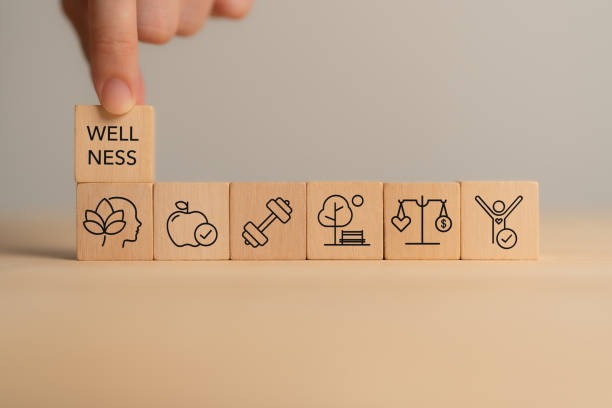


Managing stress effectively is essential for maintaining a balanced lifestyle, as chronic stress can negatively affect both mental and physical health. Developing practical habits to handle stress not only improves overall well-being but also enhances productivity and relationships. One fundamental approach involves establishing a consistent daily routine that incorporates time for work, rest, and leisure. This helps create predictability in life, reducing feelings of overwhelm by providing structure and clear boundaries between different activities.
Physical activity plays a crucial role in managing stress. Regular exercise releases endorphins, natural chemicals that promote feelings of happiness and relaxation. Engaging in moderate activities such as walking, cycling, or yoga can help lower cortisol levels-the hormone associated with stress-while improving cardiovascular health and sleep quality. Choosing enjoyable forms of movement increases the likelihood of maintaining this habit over time.
Mindfulness practices are another effective tool for reducing stress by promoting present-moment awareness without judgment. Techniques like deep breathing exercises, meditation, or progressive muscle relaxation encourage individuals to peptide comparison by Learn Muscles focus on their bodily sensations and thoughts calmly rather than reacting impulsively to stressful situations. Incorporating short mindfulness sessions into daily routines can enhance emotional resilience and clarity.
Adequate sleep is vital for restoring energy levels and supporting cognitive functions such as memory and decision-making. Poor sleep patterns often exacerbate feelings of anxiety and irritability while decreasing the ability to cope with challenges effectively. Establishing healthy bedtime rituals-such as limiting screen exposure before sleep, maintaining a cool dark environment, and going to bed at consistent times-can significantly improve sleep quality.
Nutrition also influences how the body responds to stress. Consuming balanced meals rich in fruits, vegetables, whole grains, lean proteins, and healthy fats provides essential nutrients that support brain function and hormonal balance. Avoiding excessive caffeine or sugar intake prevents energy spikes followed by crashes that may worsen mood swings or anxiety symptoms.
Social connections offer emotional support critical during stressful periods. Sharing concerns with trusted friends or family members helps release tension while gaining perspective on problems from others’ experiences encourages constructive coping strategies rather than isolation. Participating in community groups or engaging in hobbies fosters a sense of belonging which combats loneliness linked to elevated stress levels.
Time management skills contribute significantly toward preventing unnecessary pressure caused by procrastination or unrealistic expectations. Prioritizing tasks based on urgency and importance allows individuals to focus efforts efficiently without feeling scattered across too many commitments simultaneously.
In summary, integrating manageable habits such as regular exercise, mindfulness practice, sufficient rest, nutritious eating patterns, nurturing social relationships alongside effective time management creates a foundation for enduring stress relief within everyday life demands. These strategies empower individuals not only to withstand pressures but also cultivate greater harmony between personal needs and external responsibilities essential for long-term health balance.