

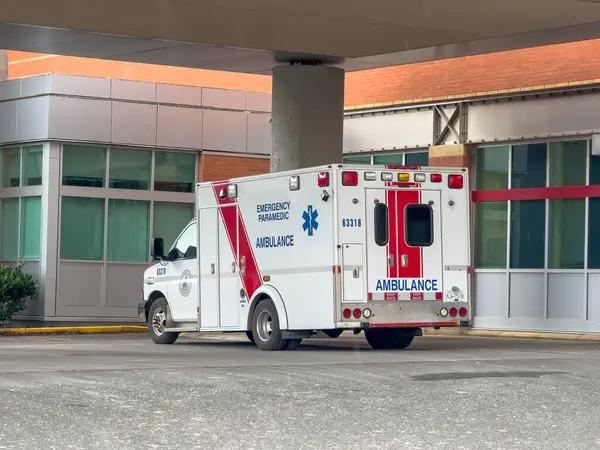
Long-distance patient transportation is a critical component of healthcare logistics, providing essential services for patients who require medical attention far from their home locations. This intricate process involves the safe and efficient transfer of patients over considerable distances, often crossing state or even national borders. The objective is to ensure that patients receive the necessary care while maintaining their comfort and safety throughout the journey.
The need for long-distance patient transportation arises in various scenarios. Patients may require specialized treatments available only at specific medical facilities, necessitating travel across regions. Additionally, individuals recovering from surgeries or those with chronic conditions might need to relocate closer to family support systems while ensuring continuity of care. In disaster situations or during pandemics, relocating patients becomes crucial to alleviate pressure on local healthcare systems.
A successful long-distance patient transport operation hinges on meticulous planning and coordination among multiple stakeholders, including healthcare providers, transportation companies, insurance agencies, and sometimes governmental bodies. The first step involves assessing the patient’s medical condition to determine the most suitable mode of transport—ground ambulance services are typically used within a 200-mile radius; however, air ambulances become indispensable for longer distances or when time is of essence.
Ground ambulances are equipped with advanced life-support learn more systems and staffed by trained paramedics capable of managing emergencies en route. For air travel, fixed-wing aircraft provide rapid transit capabilities along with onboard medical teams who specialize in high-altitude patient care. These flights can be chartered through dedicated air ambulance services that ensure compliance with aviation regulations while prioritizing patient health.
Insurance coverage plays a pivotal role in facilitating these transfers as costs can be significant due to fuel expenses, crew wages, and specialized equipment requirements. Therefore, it’s imperative for families to consult with insurers beforehand to understand policy terms related to non-emergency medical transports.
Communication remains key throughout this process; detailed briefings between sending and receiving facilities help streamline transitions upon arrival at destination hospitals or rehabilitation centers. Moreover, constant updates provided by transport teams assure family members about their loved one’s well-being during transit.
Technological advancements have further enhanced long-distance patient transportation capabilities; GPS tracking allows real-time monitoring of vehicle location while telemedicine tools enable remote consultations if health concerns arise mid-journey.
Ultimately, long-distance patient transportation serves as an invaluable link within modern healthcare ecosystems—bridging geographical gaps so that individuals receive timely interventions regardless of where they reside initially. By understanding its intricacies—from planning phases through execution—families can make informed decisions ensuring optimal outcomes for those requiring such vital services.