

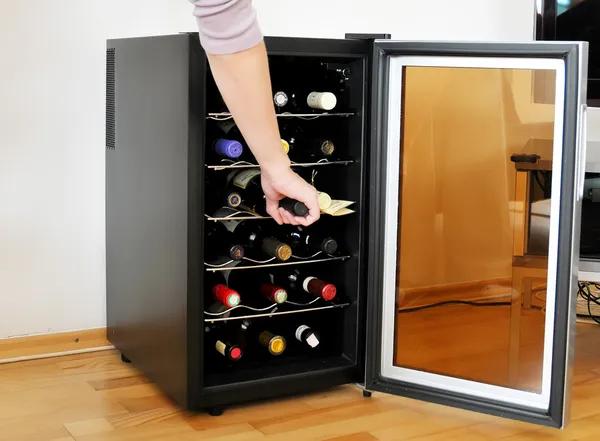
Wine coolers have become essential appliances for enthusiasts who wish to preserve the quality and flavor of their wine collection. Selecting the right wine cooler involves understanding several key features that contribute to optimal storage conditions. Temperature control is among the most critical aspects, as wines require specific temperatures to maintain their taste and aroma. A reliable wine cooler should offer precise temperature settings, allowing users to adjust the climate to suit different types of wine, whether red, white, or sparkling. This flexibility ensures that every bottle is stored under ideal conditions, which can vary significantly between wine varieties.
Another important feature is humidity control. Proper humidity levels prevent corks from drying out, which can lead to oxidation and spoilage. A good Wine Cooler maintains humidity around 50 to 70 percent, creating a stable environment that protects the integrity of the wine. In addition to temperature and humidity, vibration reduction is a feature that often goes unnoticed but plays a crucial role in preserving wine quality. Constant vibrations from compressors or external sources can disturb sediment in the wine, affecting its taste and aging process. A cooler designed with vibration dampening technology minimizes this risk, ensuring that wines mature gracefully over time.
Capacity is also a key consideration. Wine lovers should choose a cooler that accommodates their current collection size with some room for future additions. Compact models may suit casual drinkers or smaller spaces, while larger units are better for serious collectors who need to store dozens or even hundreds of bottles. Adjustable shelving enhances usability by enabling the storage of various bottle shapes and sizes, from standard Bordeaux bottles to larger formats like magnums. The material and design of the shelves can also impact the cooler’s durability and ease of cleaning.
Energy efficiency is increasingly important for environmentally conscious users and those looking to reduce electricity costs. Modern wine coolers often feature energy-saving modes and improved insulation to maintain temperatures without excessive power consumption. Additionally, the type of cooling system—thermoelectric or compressor-based—affects energy use and noise levels. Thermoelectric coolers are typically quieter and more energy-efficient but may be less effective in very warm environments, whereas compressor models offer stronger cooling capabilities for larger collections.
Lastly, lighting and aesthetics should not be overlooked. Interior LED lighting allows users to view their collection without exposing bottles to heat from traditional bulbs. A visually appealing design ensures the cooler fits seamlessly into home décor, whether placed in a kitchen, dining room, or dedicated wine cellar. Combining these features results in a wine cooler that not only preserves wine quality but also enhances the overall enjoyment of wine collecting and consumption.
