
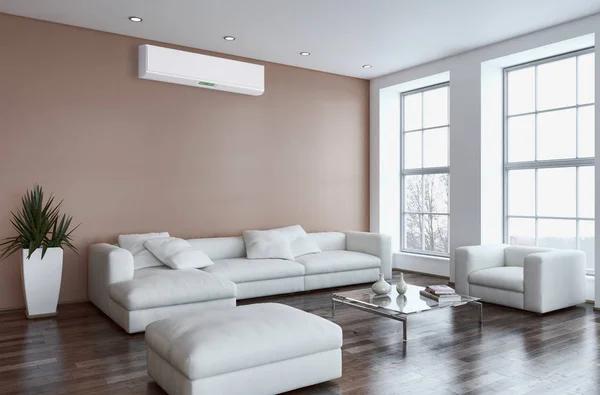
Ensuring safe and certified HVAC installations is essential for homeowners and businesses seeking reliable climate control solutions. Heating, ventilation, and air conditioning systems play a vital role in maintaining indoor comfort, but improper installation can lead to inefficiencies, safety hazards, and costly repairs. Choosing certified professionals who adhere to industry standards guarantees that the system operates efficiently while safeguarding occupants from potential risks such as carbon monoxide leaks or electrical malfunctions.
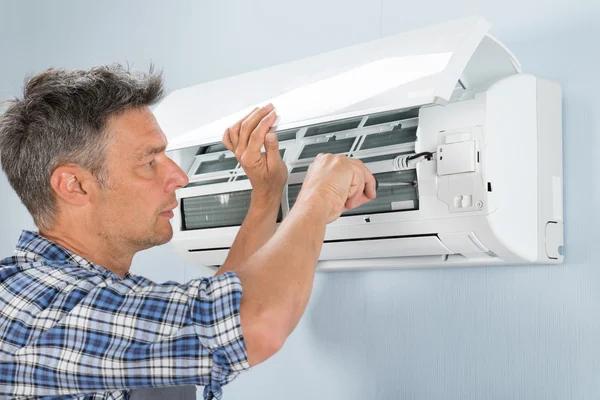
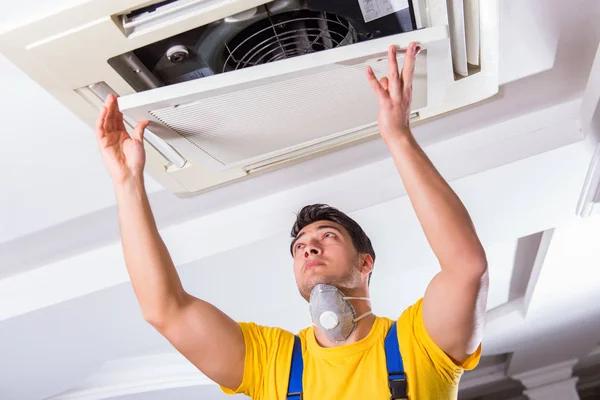
Certified HVAC technicians undergo rigorous training to understand the complexities of modern heating and cooling equipment. These experts are knowledgeable about local building codes, manufacturer specifications, and environmental regulations. Their expertise ensures that every component is installed correctly-from ductwork alignment to refrigerant handling-minimizing the chance of future breakdowns or energy waste. A properly installed system not only performs better but also lasts longer, providing peace of mind through consistent operation.
Safety is paramount when dealing with HVAC installations because these systems often involve gas lines, electrical wiring, and combustible materials. Improper connections can result in dangerous situations including fires or exposure to harmful gases. Certified installers follow strict protocols designed to prevent accidents during installation and throughout the lifespan of the unit. They conduct thorough inspections before activation to verify that all explore deeper parts function safely within specified parameters.
In addition to safety concerns, certified installations contribute significantly to energy efficiency. An inefficiently installed HVAC system may consume excessive power due to poor airflow or incorrect thermostat setup. This leads to higher utility bills without delivering optimal comfort levels indoors. Professionals ensure that insulation around ducts is secure and seals are tight so conditioned air reaches intended spaces without loss. By optimizing performance at installation stage, users benefit from reduced environmental impact alongside cost savings.
Warranty coverage often depends on professional certification as well; manufacturers require proof of proper installation for claims related to defects or malfunctions under warranty terms. Homeowners who attempt DIY setups risk voiding these protections if errors occur during assembly or commissioning stages.
Ultimately, investing in safe and certified HVAC installations offers long-term advantages beyond initial convenience or cost considerations alone. It provides assurance that your environment will remain comfortable year-round while mitigating health risks associated with faulty equipment operation. Engaging qualified professionals supports compliance with legal requirements while enhancing overall satisfaction with your heating and cooling investment.
Choosing trusted service providers committed to certification standards ensures each project meets quality benchmarks consistently across different settings-whether residential or commercial properties need new units installed or existing ones upgraded responsibly for improved functionality over time.