

Installing an HVAC system in Sacramento requires careful consideration to ensure comfort and efficiency throughout the year. The region experiences hot summers and mild winters, making a reliable heating, ventilation, and air conditioning system essential for maintaining indoor air quality and temperature control. Before beginning the installation process, it is important to evaluate your specific needs based on the size of your home or business, existing ductwork, insulation quality, and energy efficiency goals. Consulting with a licensed HVAC professional can help determine the appropriate type of system that suits Sacramento’s climate while meeting your budget.
When selecting an HVAC unit for installation in heating repair sacramento, energy efficiency should be a top priority. Systems with high Seasonal Energy Efficiency Ratio (SEER) ratings provide better cooling performance with lower electricity consumption during summer months. Additionally, Heating Seasonal Performance Factor (HSPF) ratings indicate heating efficiency during colder periods. Modern units often come equipped with programmable thermostats and smart technology integration that allow users to optimize energy use by adjusting settings remotely or setting schedules tailored to daily routines.
HVAC sacramento
Proper sizing of an HVAC system is critical to avoid inefficiency or uneven temperature distribution indoors. An oversized unit may cycle frequently without adequately dehumidifying the space, leading to discomfort and increased wear on components. Conversely, an undersized system might struggle to maintain desired temperatures during extreme weather conditions common in Sacramento’s climate zone 3B. A professional load calculation using Manual J guidelines ensures accurate assessment of heating and cooling demands based on factors such as square footage, window placement, ceiling height, insulation levels, and occupancy patterns.
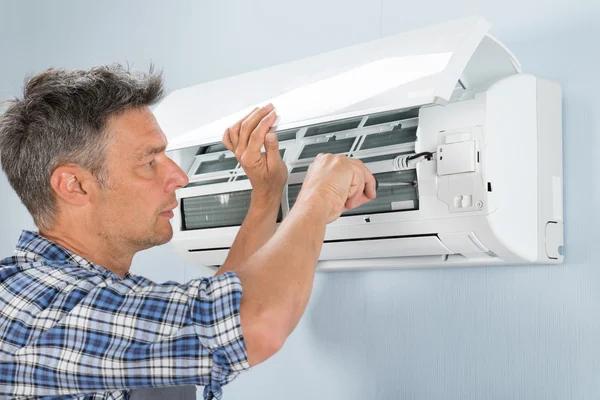
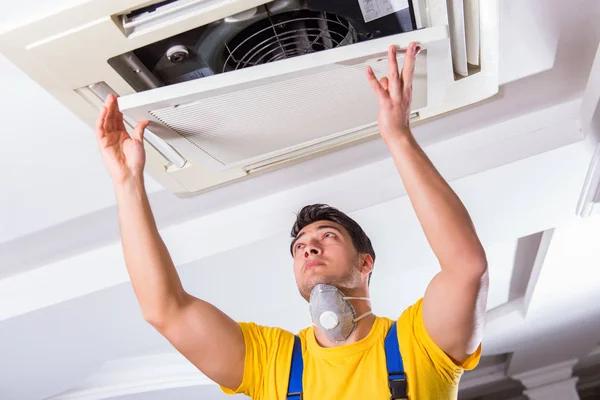
Installation quality directly impacts long-term performance and reliability of any HVAC setup in Sacramento homes or commercial properties. It involves not only placing the equipment correctly but also ensuring proper refrigerant charge levels; sealing ductwork leaks; installing adequate ventilation; calibrating controls; and verifying electrical connections meet local building codes. Hiring experienced technicians familiar with California regulations guarantees compliance while minimizing potential issues like poor airflow or refrigerant leaks that could reduce efficiency or cause premature breakdowns.
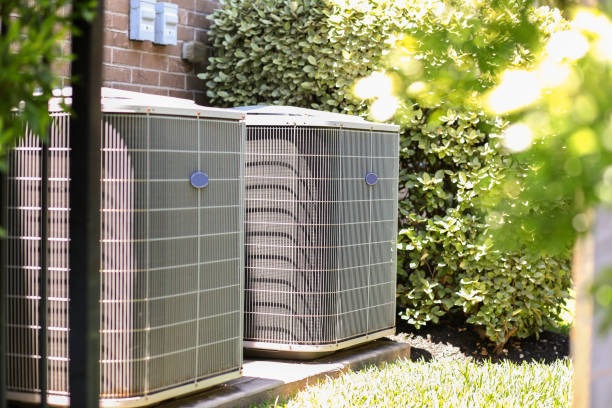
Maintenance following installation plays a vital role in preserving system longevity and operational effectiveness over time. Regular filter changes improve indoor air quality by trapping dust particles while preventing strain on fans caused by clogged filters. Annual inspections typically include checking refrigerant pressure levels along with cleaning coils inside outdoor condenser units so heat exchange occurs efficiently without obstruction from dirt buildup common in urban environments like Sacramento.
In summary, successful HVAC installation in Sacramento depends on choosing energy-efficient equipment suited for local weather conditions combined with precise sizing determined through professional calculations. Ensuring expert installation adhering to safety standards enhances durability while ongoing maintenance safeguards investment by sustaining optimal functionality year-round within residential or commercial settings across this diverse climatic area.
Atticman Heating and Air Conditioning, Insulation
9745 Business Park Dr F, Sacramento, CA 95827
916-299-7558