

Broadcast management is a multifaceted process that encompasses the planning, scheduling, and delivery of content across various media platforms. It is a critical component in the broadcasting industry, ensuring that content reaches its intended audience efficiently and effectively. The process begins with meticulous scheduling, which involves selecting the right mix of programs to air at specific times to maximize viewership and meet strategic objectives.
Scheduling is both an art and a science; it requires understanding audience demographics, preferences, and viewing habits. Broadcasters analyze data to determine peak viewing times and tailor their schedules accordingly. This involves balancing new shows with reruns, live events with prerecorded content, and local programming with national broadcasts. Effective scheduling aims to build viewer loyalty while also attracting new audiences.
new york video production studio
Once a schedule is established, broadcast management shifts focus to content acquisition and preparation. This includes securing rights for shows or events through negotiations with video production service near me companies or networks. Additionally, it involves editing content for length or compliance with regulations before airing. Quality control is paramount; any technical issues must be addressed promptly to ensure seamless delivery.
The next phase in broadcast management is transmission logistics—ensuring that scheduled content reaches audiences without interruption. This requires sophisticated technology infrastructure capable of handling high volumes of data across multiple channels simultaneously. Broadcasters employ advanced software systems for automation purposes; these systems manage everything from cueing up commercials during breaks to switching between live feeds seamlessly.
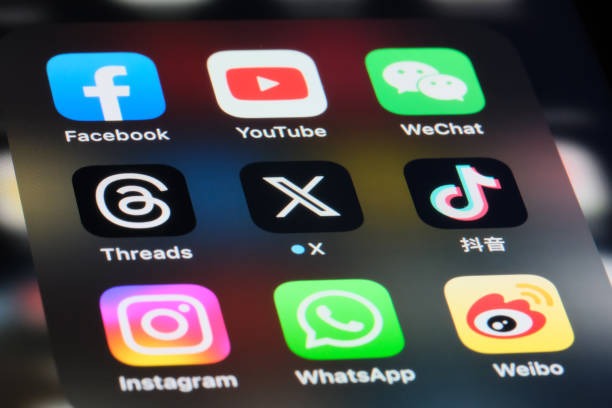
Furthermore, digital transformation has significantly impacted broadcast management by introducing more platforms such as streaming services alongside traditional television models. This evolution necessitates broader strategies encompassing multi-platform distribution where broadcasters must adapt their operations accordingly—ensuring consistent quality regardless of whether viewers are watching on TV screens or mobile devices.
Audience engagement plays another crucial role within broadcast management frameworks today due largely because interactive elements can boost retention rates significantly over time when implemented correctly into programming structures themselves (e.g., social media integration). Engaging directly via feedback loops allows broadcasters not only gauge viewer satisfaction levels but also gather insights around potential improvements needed moving forward too!
In conclusion: successful execution throughout each stage mentioned above ultimately determines overall success within this field since every decision made impacts final outcomes experienced firsthand by end-users alike! Whether you’re working behind-the-scenes orchestrating complex logistical arrangements necessary keeping things running smoothly day-in/day-out basis—or simply enjoying fruits labor watching favorite show unfold seamlessly thanks careful planning involved beforehand—it becomes clear just how vital effective broadcast management truly remains even amidst rapidly changing technological landscapes surrounding us all nowadays!
Broadcast Management Group
430 West 45th Street, 3rd Floor, Suite A-1, New York, NY 10036
212-784-6020