

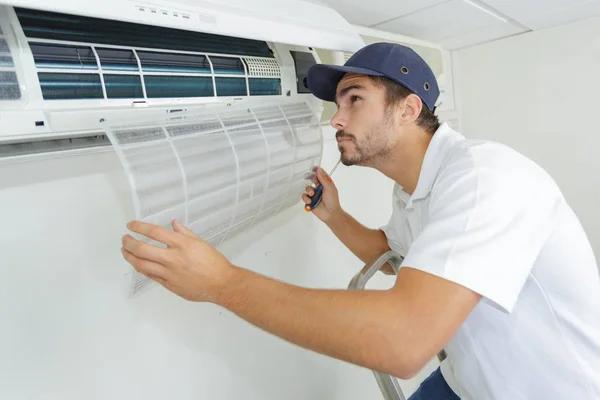
Proper air conditioning (AC) installation is a crucial factor that significantly influences the long-term performance and efficiency of your cooling system. An AC unit that is not installed correctly can lead to a myriad of issues, including reduced energy efficiency, frequent breakdowns, and shortened lifespan. Therefore, understanding why proper installation matters can help homeowners make informed decisions when setting up their cooling systems.
One of the primary reasons proper AC installation is vital is energy efficiency. An incorrectly installed unit may have to work harder to cool your home, leading to increased energy consumption and higher utility bills. For instance, if an AC system is not level or has improper refrigerant levels due to poor installation practices, it will struggle to maintain optimal temperature settings efficiently. This inefficiency not only drives up costs but also puts unnecessary strain on the system components.
Moreover, correct installation ensures effective airflow throughout your home. If ductwork is poorly designed or connections are loose due to substandard installation practices, it can result in uneven cooling and hot spots within different areas of your house. Properly sealed ducts and well-planned placement ensure that cooled air circulates effectively without leaks or obstructions.
Another critical aspect affected by improper installation is click for in-depth information the reliability and longevity of the AC unit. When an air conditioner isn’t installed according to manufacturer specifications or industry standards, it’s more prone to frequent malfunctions and repairs. Components such as compressors and fans may wear out prematurely if they’re consistently operating under stress due to faulty setup processes.
Furthermore, professional installation often includes precise calibration of all parts ensuring they operate harmoniously from day one; this reduces wear-and-tear over time which extends the life expectancy considerably compared with units suffering from amateurish setups where parts might be misaligned causing excess friction leading eventually toward mechanical failures sooner than expected otherwise would occur had everything been done properly initially instead!