

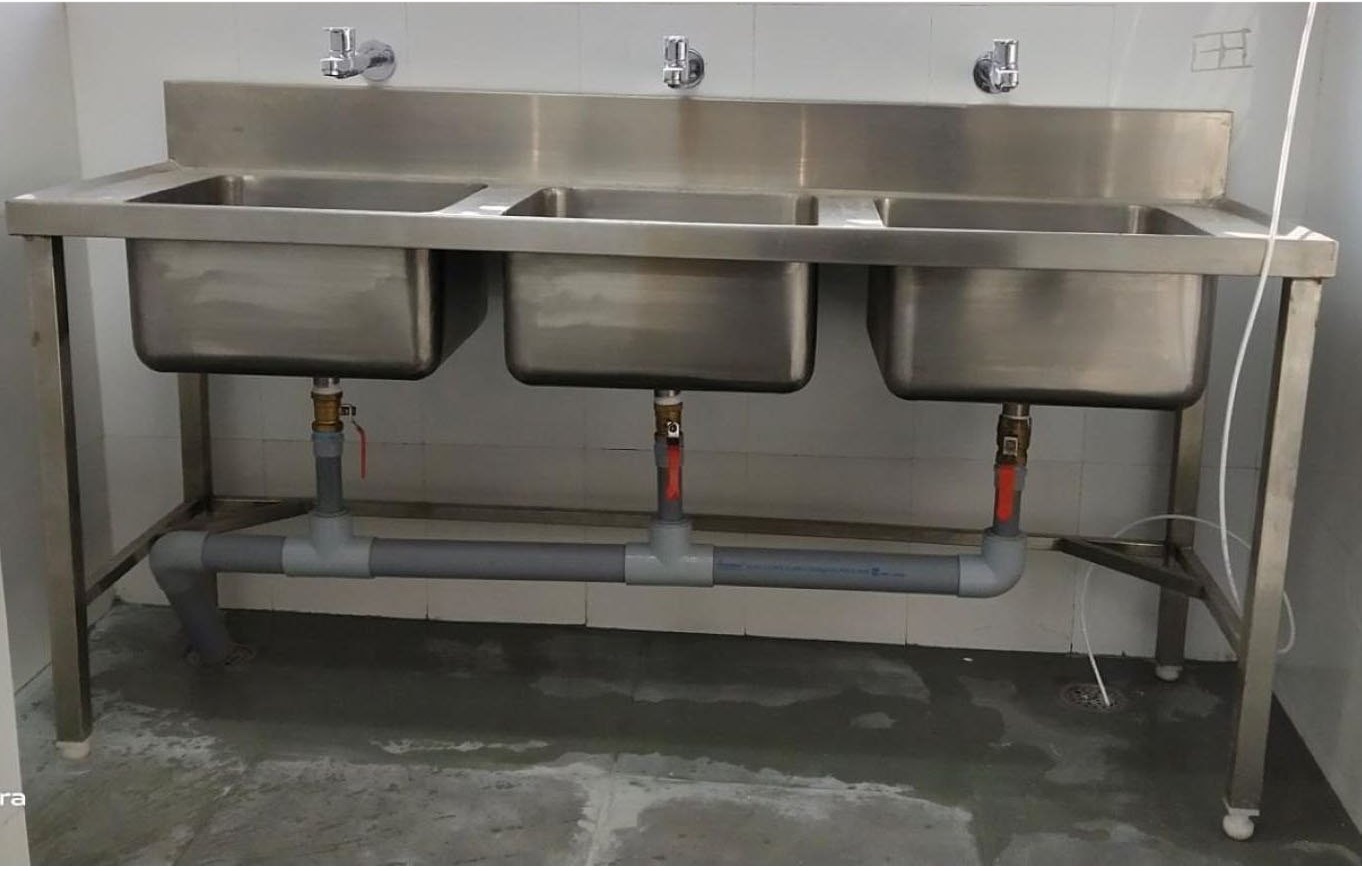
Choosing the right commercial sink for a food service business is essential for maintaining hygiene, efficiency, and compliance with health regulations. Commercial sinks come in various types designed to meet specific needs within kitchens, from washing dishes to preparing food and handling waste. Understanding these options helps business owners select a sink that supports their operational workflow while ensuring cleanliness and durability.
One common type of commercial sink is the three-compartment sink, which is often mandatory in many jurisdictions. This sink allows for proper washing, rinsing, and sanitizing of utensils and cookware. Each compartment serves a distinct purpose: one for washing with detergent, another for rinsing with clean water, and the third for soaking in sanitizer solution. This setup ensures thorough cleaning while minimizing cross-contamination risks.
Another popular option is the handwashing sink, which must be easily accessible throughout food preparation areas to promote good hygiene practices among staff. These sinks are typically smaller but equipped with touchless or wrist-operated faucets to reduce germ transmission. Proper placement of handwashing stations encourages frequent use by employees, helping prevent contamination during food handling.
Prep sinks are also integral components in busy kitchens where raw ingredients need cleaning before cooking or assembly. These sinks tend to be deeper than standard models to accommodate large pots or bulky produce items like melons or leafy greens. Stainless steel construction is favored due to its resistance to corrosion and ease of cleaning under rigorous kitchen conditions.
Bar sinks serve specialized functions within beverage service areas such as cafes or bars where quick access to water is necessary without disrupting main kitchen operations. These compact units often include built-in drainboards or compartments specifically designed for glassware washing.
When selecting materials for commercial sinks, stainless steel remains the industry standard because it combines strength with hygienic properties that resist bacteria buildup. It withstands high temperatures from hot water usage and resists staining from acidic foods or harsh cleaning chemicals commonly used in professional kitchens.
Installation considerations also influence choice; some businesses may require wall-mounted units due to space constraints while others prefer freestanding models offering additional storage underneath. Faucet types vary widely too-from pre-rinse sprayers that facilitate rapid debris removal on dishes before washing cycles begin-to sensor-activated taps aimed at reducing water wastage through hands-free operation.
Ultimately, choosing the appropriate Commercial Sink depends on understanding specific operational demands alongside local health codes governing sanitation procedures within food establishments. Investing in quality equipment tailored toward those requirements not only improves workflow efficiency but also safeguards public health by supporting consistent cleanliness standards throughout all stages of food preparation and cleanup processes.