
Water softeners play a crucial role in enhancing the quality of water by removing hardness-causing minerals like calcium and magnesium. In Papillion, where hard water is a common issue, installing and maintaining a water softener can greatly improve the longevity of plumbing systems and the efficiency of household appliances. This guide provides comprehensive insights into the installation and repair of water softeners, ensuring that residents can enjoy softened water without unnecessary complications.
The first step in installing a water softener is selecting an appropriate location. Ideally, it should be installed near the main water line entry point to ensure all incoming water is treated before distribution throughout the house. Adequate space must be provided for both the tank and brine container, along with easy access for maintenance tasks such as refilling salt.
Once you have identified an ideal location, shut off your home’s main water supply to prevent any leaks or flooding during installation. Drain any remaining water from pipes by opening faucets at lower levels of your home. Connect the bypass valve included with your unit to facilitate future repairs or replacements without disrupting your home’s entire plumbing system.
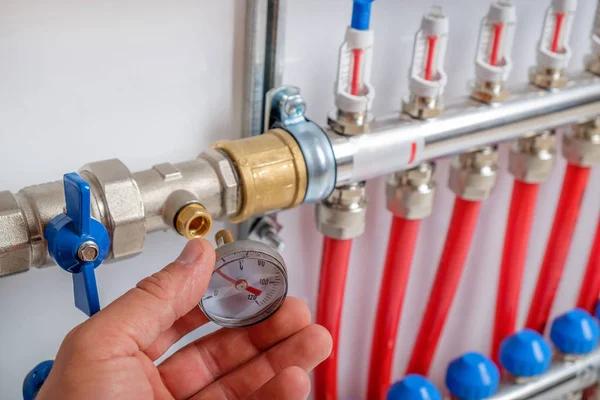
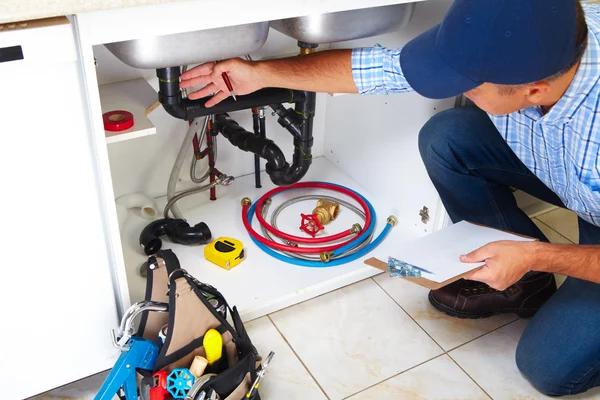
Next, connect the inlet and outlet ports on your softener to corresponding fixtures on your plumbing system using flexible hoses or copper tubing—depending on Local Plumbing and Drain Company secure them tightly to prevent leaks. Install a drain hose from your unit’s discharge port leading to an appropriate drainage area; this will carry away excess brine solution produced during regeneration cycles.
After securing all connections, fill the brine tank with salt specifically designed for use in water softeners; this typically comes in pellet form but can also be found as crystals or blocks depending on personal preference and availability. Plug in your unit if it requires electricity for operation—many models do—and set its controls according to manufacturer instructions regarding grain capacity settings based on local hardness levels determined through testing kits available at hardware stores.
Regular maintenance ensures optimal performance over time: check salt levels monthly while inspecting hoses for signs of wear such as cracks which could lead eventually cause leaks if left unchecked too long between inspections! If problems arise despite routine care efforts (e.g., decreased softness), consult professional technicians familiarized specifically dealing these types issues rather than attempting DIY fixes potentially exacerbating situation further unnecessarily costly repairs down road later date instead!
In conclusion, proper installation followed up consistent upkeep makes significant difference not only terms prolonging lifespan equipment itself but also improving overall experience using softened daily activities around house thereby contributing positively towards healthier lifestyle choices made possible thanks technology advancements modern living standards today!